Decide less often, not less carefully
Simplicity here does not mean caring less. It means making a few thoughtful choices in advance so the rest of the week can run on gentle defaults instead of constant fresh decisions.
A full week is rarely undone by one big choice. It is the dozens of tiny ones — what, when, how — that pile up. This page shares general thoughts on trimming a few of them.
Simplicity here does not mean caring less. It means making a few thoughtful choices in advance so the rest of the week can run on gentle defaults instead of constant fresh decisions.
A small rotation of familiar meals removes the daily blank-page feeling.
Keeping a couple of meals the same frees attention for the parts that vary.
A single reusable note tends to be calmer than starting over each time.
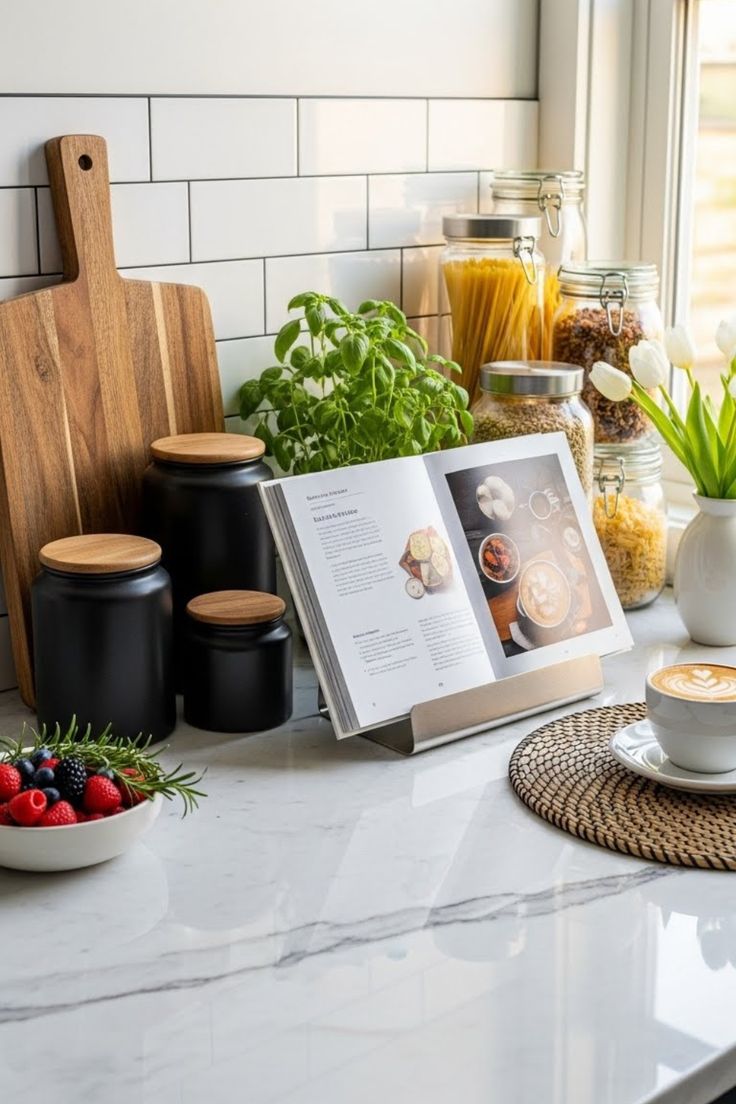
Most of the friction in a food week clusters around the same handful of moments. Naming them is often the first step toward smoothing them.
A general illustration of how the same week can feel different. Neither column is right or wrong — they are simply two ways of organising attention.
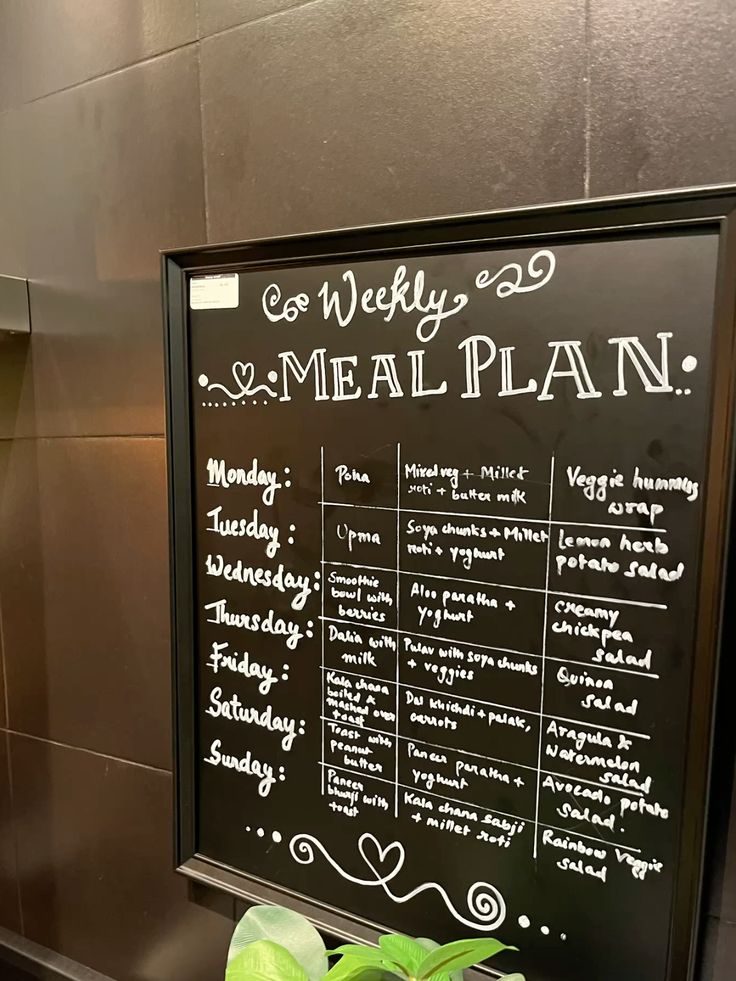
The most sustainable note is usually the shortest one. A few words per day, room left blank on purpose, and permission to change your mind without redoing everything.
This is offered as general information about organising time and choices. It makes no promises and assumes nothing about your circumstances.
Not necessarily. A small base of defaults can free up attention for variety where it matters most to you. The balance between routine and change is entirely personal.
There is no correct number. Some people enjoy planning every day; others prefer to settle most of it once a week. This section simply describes the trade-off.
No. We share general information only and make no claims about outcomes. You are the best judge of what suits your own routine.
Send a general question through the contact form and we will reply with informational context.