A base
Grains, breads or starchy options that store well and cook in batches.
This page collects general information about one idea: that a busy week becomes lighter when meals are assembled from a few familiar components rather than reinvented every day.
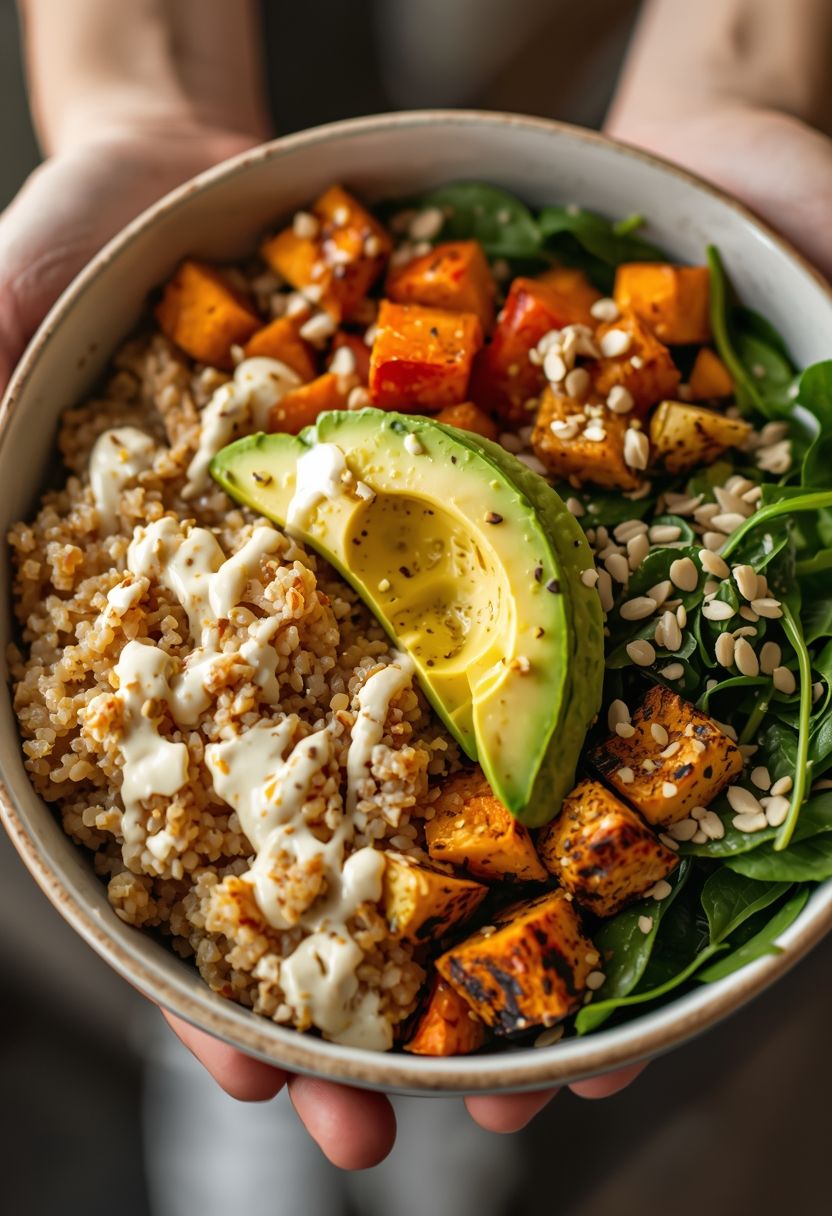
Thinking in groups can make a shopping note shorter and a fridge easier to read at a glance. The descriptions below are general and entirely optional.
Grains, breads or starchy options that store well and cook in batches.
Vegetables or fruit, raw or cooked, chosen mostly by what is in season.
Beans, eggs, dairy, fish or other staples that make a plate feel complete.
Herbs, a dressing or a sauce that quietly changes the character of a dish.
When components are interchangeable, a single shop can quietly cover several different meals. A base with beans and a dressing on Monday can become the same base with eggs and herbs on Thursday.
This is simply a way of describing flexibility. It says nothing about what anyone should eat, and it makes no claim about any result. It is a structure you can borrow and reshape as you like.
Hipnnrefineai shares general information for organising everyday choices. It is not nutritional, medical or professional advice, and it does not address any specific condition or individual need.
Glance at the week and note which evenings are likely to be busiest.
Pick components that store well and can be cooked once for several meals.
Place produce where you will actually see it, so it gets used in time.
Plan fewer meals than there are days, so spontaneity still has room.
This is an illustration of the building-block idea, not a recommendation. Quantities, ingredients and choices are entirely yours.
A cooked base, a tin of beans rinsed and warmed, and a handful of chopped herbs.
The same base, eggs prepared however you prefer, and whatever leafy thing is on hand.
The base again, a simple piece of fish, and a spoonful of a dressing you keep ready.
A building-block approach pairs naturally with reducing waste. Leftover base becomes tomorrow's lunch; a tired vegetable joins the next warm dish rather than the bin.
The simplicity section looks at trimming the number of small decisions a full schedule asks of you.